Gibraltar Minister Presses UK Politicians Over Proposed Gambling Tax Rises

-
 Matt Sinclaire
- Edited
- 3 minutes
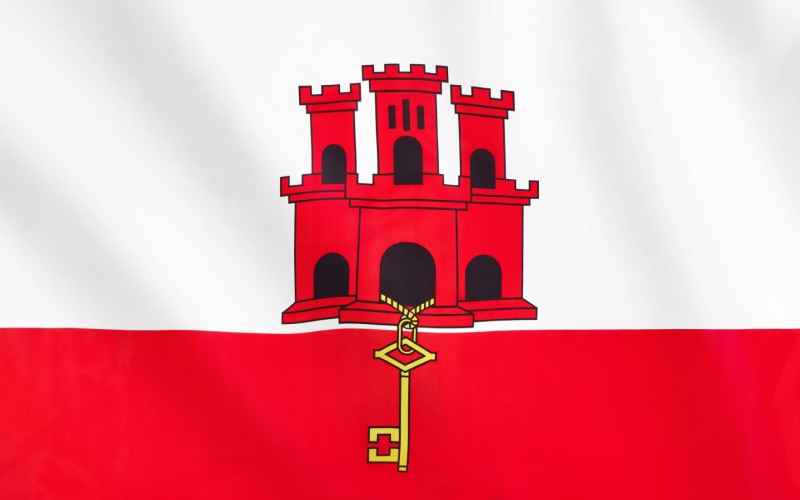
The UK’s changing gambling regulatory landscape is creating fresh uncertainty for operators, and Gibraltar is increasingly concerned about what Westminster’s next decisions could mean for its economy. Ahead of the 28 October Budget, Gibraltar Trade and Industry Minister Nigel Feetham is lobbying politicians across party lines to warn that further gambling tax increases could threaten jobs, investment and public revenue on both sides of the border.
This pressure comes as the government weighs another increase in Machine Games Duty, adding to an industry already adjusting to higher tax costs. Feetham has met Reform UK leader Nigel Farage, Robert Jenrick and Andrew Rosindell MP, while hosting a London gaming breakfast attended by industry executives and politicians, including Labour MP Gareth Snell and Conservative MP Wendy Morton.
The Tax Debate Reaches Beyond the High Street
Machine Games Duty applies to gaming machines in British betting shops, adult gaming centres and bingo halls. Speculation initially pointed to a potential increase from 20% to 40%, although more recent expectations have centred on a rise to 25%.
The final decision could influence the viability of land-based gambling venues already facing cost pressures. Industry warnings have linked higher taxes to potential closures and job losses, while Flutter’s plan to cut 1,400 positions across the UK, Ireland and continental Europe has sharpened concerns about employment across the sector.
Gibraltar has particular reason to watch the debate. Online betting and gaming contribute around 30% of its GDP, nearly one-third of its tax receipts and more than 3,400 jobs, according to Feetham. Major operators serving British customers also maintain operations in the territory, connecting their UK tax exposure with Gibraltar’s economic fortunes.
Westminster Is Split on What Comes Next
Political support for further gambling taxes remains divided. Farage has previously opposed additional increases, pointing to the role bookmakers play on British high streets, including as social spaces for customers.
Meanwhile, 90 Labour backbenchers led by Alex Ballinger have called for Machine Games Duty to rise to 40%. Snell struck a different tone at Feetham’s industry breakfast, encouraging gambling businesses to make a stronger public case for their contribution through employment, economic activity and tax payments.
Westminster must now weigh the revenue from higher gambling taxes against the risk of pushing operators to cut jobs, close venues or scale back investment.
Can Policymakers See the Bigger Picture?
Feetham’s campaign builds on opposition to the previous increase in remote gaming duty. He argues that further tax increases could prompt companies to cut local staffing and other costs, reducing Gibraltar’s corporate tax and employment-related PAYE receipts. He has also warned that higher costs could push some customers toward unregulated gambling operators. As it stands, the only certainty is that the Budget will determine whether Machine Games Duty rises again and by how much.
