UK Gambling Regulation Faces Fresh Test After Lords Call for Advertising Ban

-
 Matt Sinclaire
- Edited
- 3 minutes
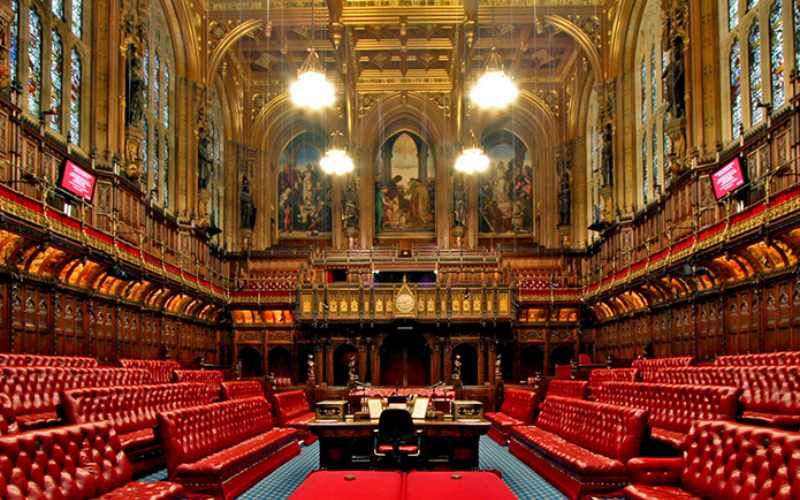
The United Kingdom’s gambling industry could be heading towards another major regulatory fight, this time over how operators can legally market their products.
Gambling advertising has expanded dramatically since the rules were liberalised in 2005, and the House of Lords Liaison Committee says the industry now spends more than £1bn a year promoting gambling. Its latest report (Gambling Harm—Time for Action: Follow-up report) argues that digital advertising, social media and newer forms of content marketing have moved far faster than the rules designed to govern them.
The committee is now calling for a comprehensive ban on gambling advertising across Great Britain, describing it as the most effective option available to reduce gambling harm. The recommendation marks a harder line than the Lords’ previous 2020 review, which stopped short of supporting an outright ban.
Online Gambling Has Changed the Debate
Unsurprisingly, part of the pressure comes from the extent to which gambling promotion has moved online. The Lords committee said governments have been too slow to respond to the growth of digital advertising and techniques that blur the line between advertising and other online content. It also pointed to public concern over the sheer volume of gambling promotion and estimated that between 1m and 1.5m adults in Great Britain experience problem gambling.
The recommendation follows several other changes to the UK’s gambling framework, including reforms outlined in the 2023 White Paper and the introduction of the statutory levy for gambling harm research, prevention, and treatment. The committee says advertising should now form part of a broader public-health approach.
Industry Pushback Centres on the Black Market
The Betting and Gaming Council has rejected the Lords’ conclusions. BGC chief executive Grainne Hurst described the report as “deeply misguided” and argued that advertising helps consumers distinguish licensed operators from illegal gambling sites. The trade body also warned that removing that distinction could benefit offshore businesses that do not follow UK rules on age checks, self-exclusion, safer gambling or advertising.
The committee considered that argument directly but said it was not convinced that tighter restrictions on licensed operators would lead to significant migration towards illegal gambling. It also argued that concerns over the black market should not prevent action aimed at reducing harm within the regulated sector.
Another Turning Point for UK Gambling Rules
The recommendation does not itself change the law, but it adds fresh pressure to a regulatory agenda that has already produced significant changes across the industry.
The Lords committee says a full ban should be the preferred option, while also setting out further advertising controls that could apply if government decides against a comprehensive prohibition or introduces one gradually. Looking ahead, the next stage will depend on how the government responds to the Lords’ recommendations, but the advertising debate has clearly entered a more consequential phase.
